


Effective Offline Marketing: Why mailbox leaflet and newspaper distribution remains a conversion leader across Ukraine
In an era of digital noise-when the average person receives hundreds of push notifications and ad banners every day-businesses are facing a new challenge: «digital blindness». Users have learned to ignore ads on Instagram, skip videos on YouTube, and instantly delete email spam. Against this backdrop, a classic, time-tested method-mailbox distribution of leaflets and newspapers-is experiencing a strong comeback, proving remarkably resilient and effective.
The psychology of “at-home” contact
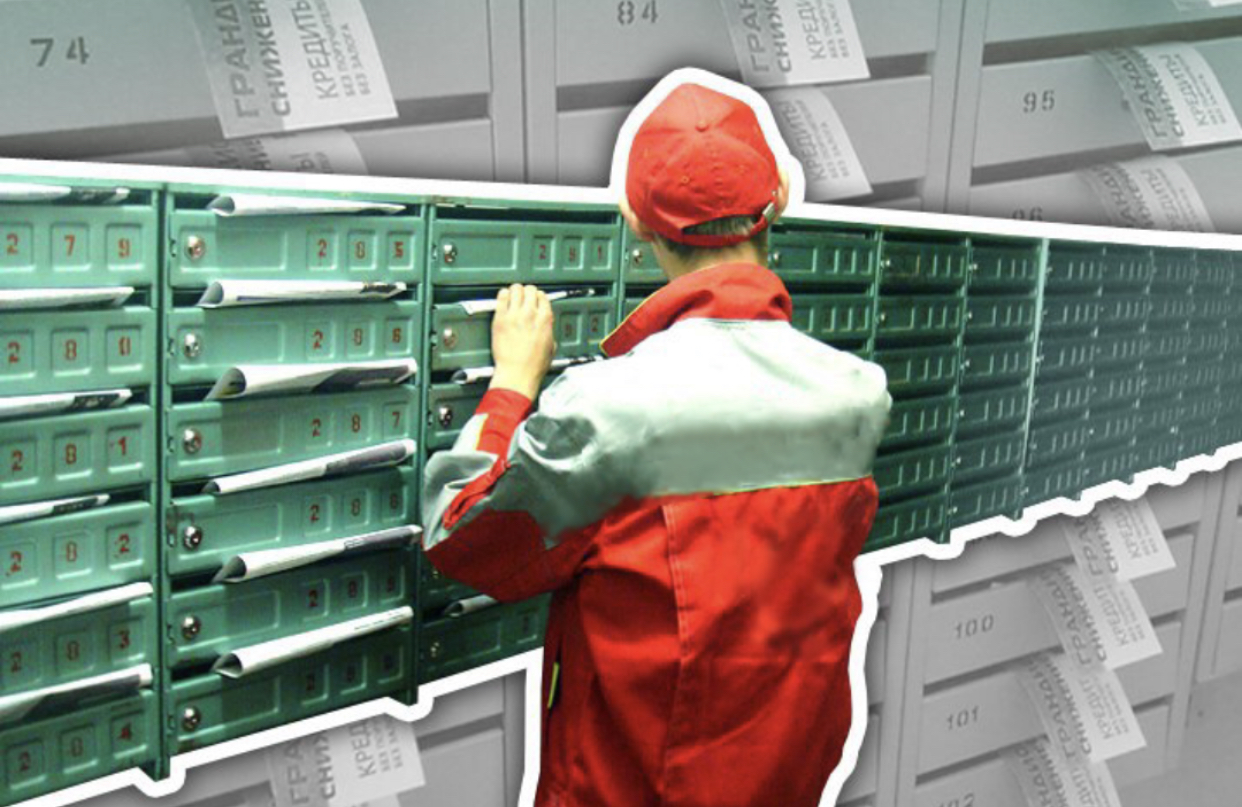
When someone opens their mailbox, they’re in a receptive state of mind. This is a private space, free from algorithmic competition. A printed flyer creates a tactile connection: unlike pixels on a screen, paper can be touched, set aside on a table, pinned to a fridge, or passed to a neighbor.
That’s why mailbox distribution is considered one of the most personalized forms of mass marketing. You essentially enter a potential customer’s home environment without crossing boundaries-becoming part of their daily routine of checking correspondence.
Who benefits from it: from local bakeries to national chains
For local businesses, this tool is practically essential. If you’ve opened a dental clinic, gym, or pizza delivery service, your target audience lives within a 1–3 km radius. Why spend your budget targeting an entire city when mailbox distribution allows you to reach precisely those buildings where your future loyal customers live?
But it’s not only small businesses. Large retail chains, electronics stores, and political organizations invest heavily in printed materials every year. Why? Because newspapers and printed catalogs build trust. They allow space to explain promotions, initiatives, and brand advantages in detail rather than squeezing everything into a short ad.
How to make distribution effective: golden marketing rules
An irresistible offer
Your flyer is not a business card-it’s a sales tool. Use proven formulas such as 4U (Urgency, Usefulness, Ultra-specificity, Uniqueness) or AIDA. Offer a promo code discount, free consultation, or gift with the first purchase.
Design and visual hierarchy
People scan a flyer in 1.5–2 seconds. In that moment they must understand:
- who you are?
- what you offer?
- what problem you solve
- where to find you (QR codes are now essential)
Print and paper quality
Tactile perception matters. Thin paper or smudging ink instantly signals a “cheap” brand image. Quality materials subconsciously position your company as trustworthy and professional.
SEO synergy and cross-channel impact
Modern marketing works best as a system. When you launch mailbox distribution, you stimulate branded searches in Google. A person might not buy immediately after seeing your flyer-but two days later they may type your company name into a search bar.
This is called «cross-channel influence». The flyer becomes the first touchpoint that prepares the ground for a conversion via website or phone call. Consistency is crucial: your printed design should match your online visuals to create a unified brand identity.
Control and analytics: preventing wasted budget
Clients’ biggest fear is whether distributors actually deliver the materials. Professional agencies solve this with a three-level control system:
- Photo reports: selective documentation of distributed materials.
- GPS tracking: real-time monitoring of distributor routes.
- Verification calls: checking with residents whether materials were received.
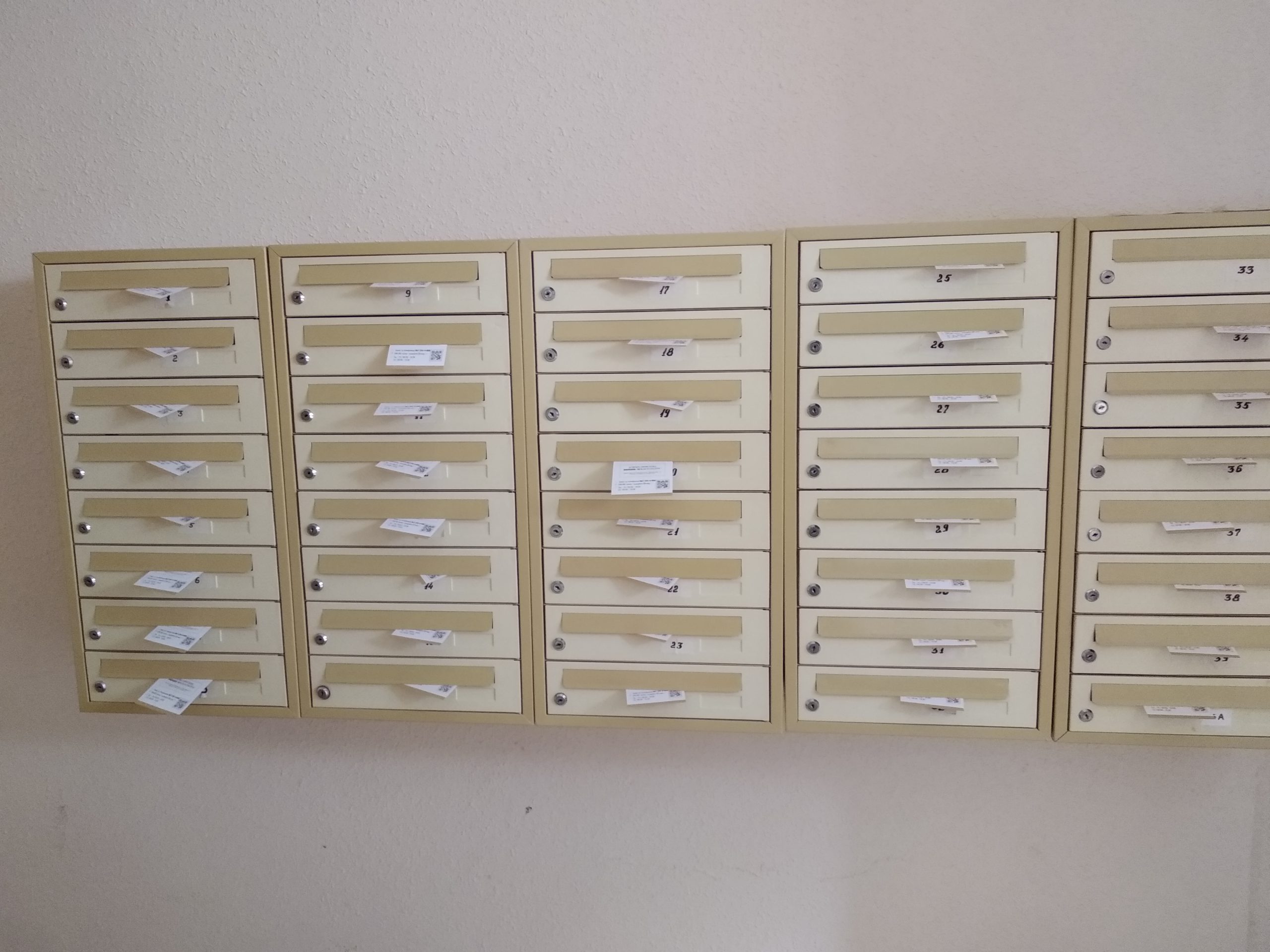
Reliable distribution always includes transparent reporting. Only then can you accurately calculate customer acquisition cost (CAC) and return on investment (ROI).
The future of mailbox advertising
Despite advances in AI and virtual reality, the physical world isn’t disappearing. People still live in apartments, check mailboxes, and buy real products. Moreover, as digital platforms become saturated, the cost of customer acquisition through platforms like Facebook Ads keeps rising, while cost per contact via mailbox campaigns remains relatively stable.
We’re also seeing trends toward eco-friendly and premium mailings. Instead of tons of cheap paper, brands choose craft envelopes or designer catalogs that recipients keep on coffee tables as decorative pieces.
Conclusion
When choosing the path to a customer’s heart-and wallet-don’t overlook proven methods. Mailbox distribution of leaflets and newspapers across all cities of Ukraine is more than paper delivery; it’s strategic communication that meets customers at their most comfortable moment. When executed properly, it delivers fast responses and a steady flow of new clients.
Invest in quality, craft a compelling offer, and partner with a reliable distributor—and you’ll see how your business scales thanks to one of the simplest yet most powerful tools in direct marketing.
