


Promotional Сampaigns: goals and types
Promotional campaigns have become a vital marketing tool for businesses across industries. They help stimulate sales, attract new customers, and strengthen brand loyalty among target audiences. Every promotional campaign is designed with clear objectives and specific execution formats, while its implementation stages are planned in advance to ensure maximum effectiveness.
VLADpromo, an advertising agency, organizes promotional campaigns whose goals and formats are aligned with client interests and business needs. While rooted in professional market standards, the agency applies a strategic approach that ensures high performance and measurable results. The direction of each campaign depends on business objectives, and a structured methodology guarantees efficiency.
What is a promotional campaign?
So, what is a promotional campaign, and what goals and types exist?
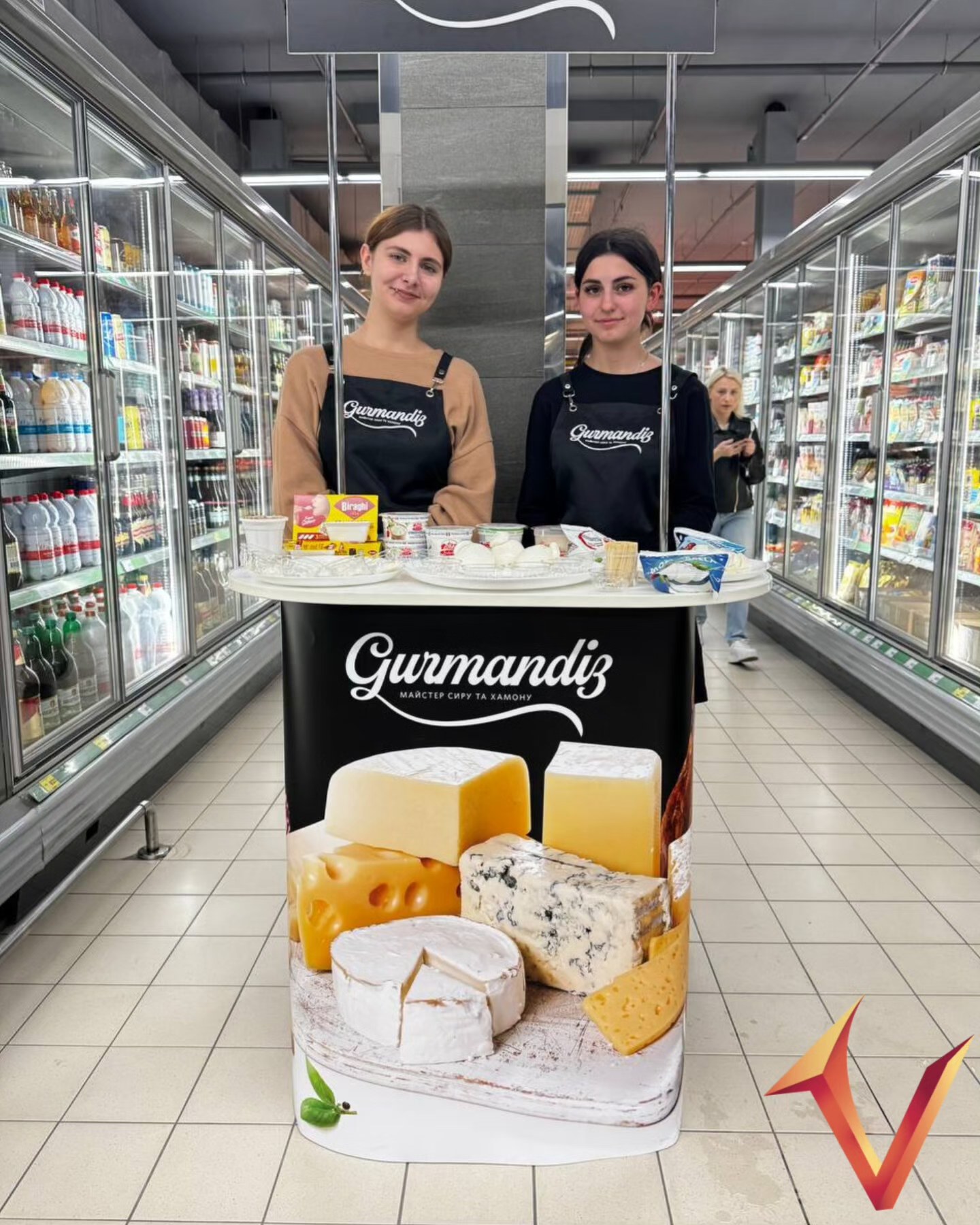
A promotional campaign is a complex of marketing activities aimed at increasing demand for products or services. These initiatives often involve promoters, special offers, tastings, product demonstrations, and consultations-conducted either in retail locations, at events, or online.
The core purpose of any promotional campaign is to deliver a clear marketing message to a defined target audience and convert potential customers into actual buyers. Successful execution requires detailed planning, professional staff, and thorough performance analysis.
Modern promotional mechanisms are built on up-to-date marketing practices and allow companies to respond flexibly to market changes. Promotional campaigns provide strong competitive advantages by combining traditional offline tools with digital solutions.
Social media marketing (SMM) campaigns expand reach across platforms, online targeting delivers messages to the right consumers, and cross-channel strategies significantly increase overall marketing impact. High levels of execution control ensure consistent quality, while personalized approaches address the needs of specific audience segments. When integrated into the broader brand strategy, promotional campaigns create true marketing synergy—this fully answers the question of promotional campaign goals and types.
Core goals of promotional campaigns
Promotional campaigns serve several key business objectives that shape overall marketing direction:
- Increasing sales – discounts, gifts, and limited-time offers encourage purchases.
- Boosting brand awareness – the brand becomes more visible and recognizable in the market.
- Attracting new customers – product demonstrations expand the consumer base.
- Retaining existing customers – loyal customers are motivated to return.
- Launching new products – consumers learn about and try new offerings.
These goals vary depending on industry and market specifics. Clearly defined objectives save time and budget, while performance analysis provides insights for strategy optimization. ROI metrics demonstrate the effectiveness of marketing investments, allowing short-term goals to align seamlessly with long-term growth strategies.

Types of promotional campaigns
Promotional campaigns can be classified by format, target audience, and level of integration with other marketing tools. Key parameters include the method of customer interaction (direct or indirect) and the communication channel (offline or online). When selecting a campaign type, businesses consider budget, duration, and product or service characteristics.
Broadly speaking, promotional campaigns can be divided into classic and modern formats. Each category applies different approaches to audience engagement and supports specific marketing goals. The optimal choice depends on professional market analysis and expert recommendations. A well-balanced combination of multiple formats delivers maximum impact while optimizing costs.
Classic promotional campaign formats
Classic promotional campaigns remain popular in FMCG, retail, and service industries. These proven formats focus on direct customer interaction and include:
- Product tastings conducted at retail locations with promoters.
- Product sampling at large public events.
- In-store consultations in shops and shopping malls.
- Lotteries and prize draws that encourage repeat purchases.
- Gifts or bonuses offered with specific purchases.
- Live demonstrations and presentations led by trained specialists.
These formats create direct contact with the target audience, strongly influencing purchase decisions and generating valuable customer feedback. However, they require substantial resources and highly professional staff to be effective.
Modern promotional campaign formats
Modern promotional campaigns leverage digital tools to expand reach, optimize budgets, and achieve stronger results. Key formats include:
- Online giveaways on social media that quickly engage large audiences.
- Influencer marketing to spread campaign messages within target communities.
- Promo codes on partner websites to drive conversions.
- Email marketing campaigns delivering personalized offers directly to customers.
- Webinars that introduce new products in detail.
- Video presentations showcasing product benefits in a convenient format.
- Workshops and masterclasses that create added value for potential buyers.
- Cross-platform challenges and marathons spanning multiple social networks.
- Mobile apps offering real-time deals through user-friendly interfaces.
- Push notifications reminding users about time-sensitive offers.
- Gamified campaigns with interactive tasks that increase engagement.
Technology enables brands to reach precisely defined audiences efficiently. Automation simplifies data collection and analysis, saving company resources. These campaigns integrate easily into overall digital marketing strategies and adapt quickly to changing market conditions.
Promoters: required specialists, responsibilities, and skills
The success of any promotional campaign depends on thoughtful organization and strong execution control. Proper staff selection is a critical success factor. Understanding promoter roles ensures professional campaign delivery, and VLADpromo manages all key stages of execution.
Campaign preparation begins with budget definition and target audience selection, followed by choosing the format and mechanics. Logistics for promotional materials are organized, staff undergo structured training, and performance monitoring ensures quality execution. Data collection tools are prepared for objective evaluation.
Clear organization minimizes risks, avoids common mistakes, and maximizes return on resources. Experienced contractors provide full-cycle campaign management, while building the right team requires a clear understanding of promoter skill requirements.
Key stages of organizing a promotional campaign
A successful promotional campaign follows these steps:
- Define campaign goals, objectives, and format.
- Develop a detailed action plan and promotional calendar.
- Recruit staff, train promoters, and create execution scripts.
- Produce promotional materials, branded apparel, and POS assets.
- Organize logistics for retail locations or online platforms.
- Launch the campaign and monitor performance on-site or online.
- Collect data, analyze results, and prepare reports.
Following these stages ensures transparency, control, and timely adjustments. Each step contributes to achieving business KPIs and provides accurate insights for future strategic decisions.
Tips for evaluating campaign effectiveness
Campaign performance is measured through key metrics that reflect real impact:
- Number of new customers who participated or left contact details.
- Growth in sales or brand awareness within the target audience.
- Customer feedback from retail locations or digital platforms.
- Cost-to-result ratio indicating return on investment (ROI).
- Frequency of repeat purchases reflecting customer loyalty.
- Digital tools that automate data collection and analysis.
Objective evaluation allows businesses to refine strategies for future campaigns. Fast data processing improves marketing outcomes, while the right promoters ensure high-quality communication. A professional team guarantees goal achievement and consistently high campaign effectiveness.
